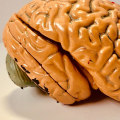
Mathematics is an essential part of our lives, and its importance goes beyond the classroom. According to a recent study, continuing to study mathematics beyond GCSEs can have a positive effect on brain development. The study found that students who dropped out of mathematics at age 16 had lower amounts of a brain chemical essential for cognitive development, compared to those who continued with mathematics. Mathematics is known to increase brain capacity, as it encourages the development of strong observational skills and stimulates critical thinking.
It also helps to develop abstract and concrete thinking, leading to the growth of brain muscles. Furthermore, mathematics can be used to calculate the right amount of food and medication, ensuring that patients stay within the limits of their prescribed eating plan. A new article published in the Journal of Neuroscience determined that when listeners are asked to pay attention to both mathematics and language, these cortical networks naturally segregate. This suggests that thinking in words and thinking about mathematics are similar but not exactly the same thing.
In light of current problems such as vaccines, gene therapy, global warming and nuclear energy, students have a vital role to play in developing new solutions or helping to make the planet a better place to live. Therefore, it is highly recommended to improve skills such as mathematics, even if you didn't study mathematics as a child. Arnold, director of translational neurology at the Interdisciplinary Brain Center at Massachusetts General Hospital and Harvard Medical School, insists on the importance of fully funding mathematics education in the early years. A study published in the Proceedings of the National Academy of Sciences showed that teens who stopped studying mathematics had a greater disadvantage compared to their peers who continued studying mathematics in terms of brain and cognitive development. In conclusion, mathematics is an important part of our lives and has many benefits for brain development.
It encourages strong observational skills and stimulates critical thinking, while also helping to develop abstract and concrete thinking. Furthermore, it can be used to calculate the right amount of food and medication for patients. Therefore, it is highly recommended to improve skills such as mathematics, even if you didn't study mathematics as a child.