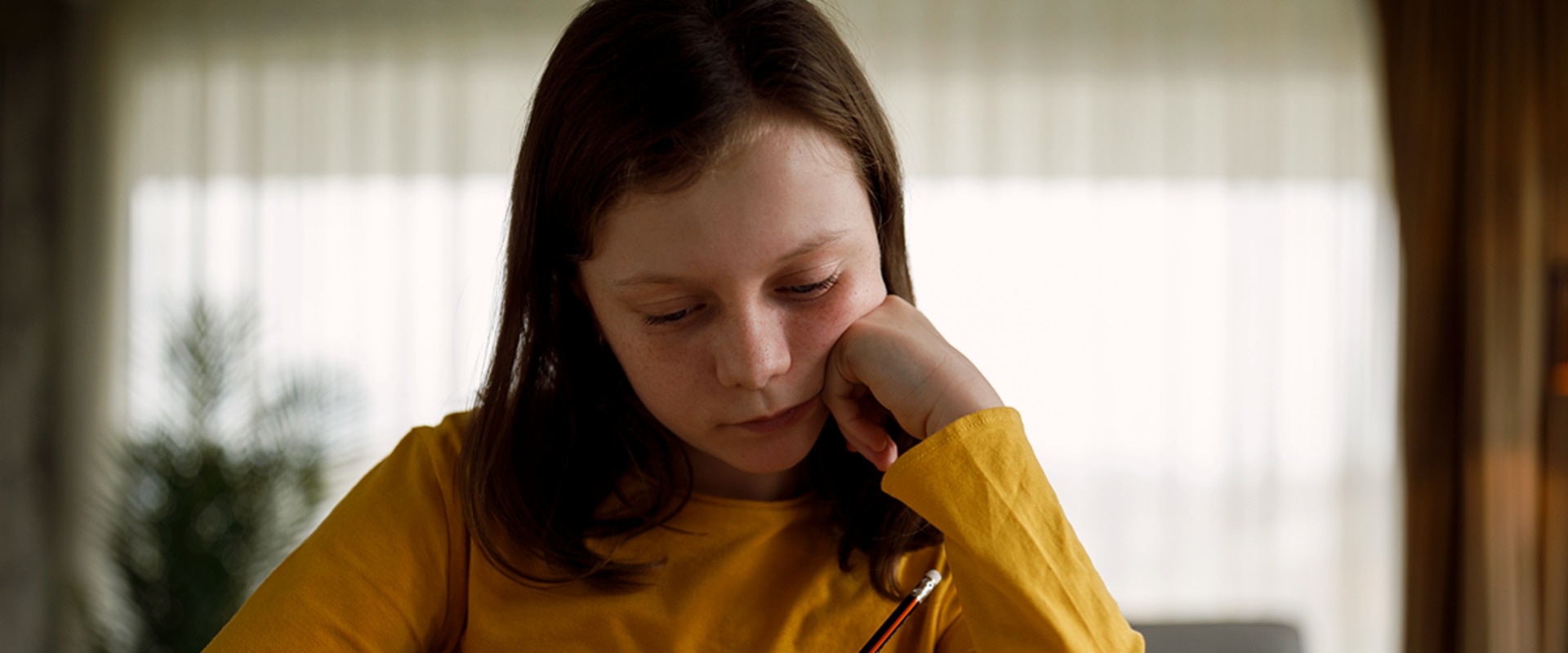
Math anxiety is a real issue that affects around 50 percent of the population in the United States. It is more common among women than men, and it can start as early as 5 years old. Research has shown that math anxiety is not just a response to poor math performance, but rather it is related to increased activity in areas of the brain that relate to fear of failure before a math task. This fear takes up mental space during a math task, making it difficult to think and leading to worse long-term performance in mathematics than in other academic subjects.
The negative attitudes about mathematics have been around for more than a century, and this has led to debates about mathematics education. Some people believe that most children will never need or be able to understand algebra, geometry, or trigonometry. This has resulted in curricula and educational practices that exacerbate math anxiety and strengthen the so-called “fixed academic mentality”, the belief that mathematical skills are innate and cannot be improved with effort. In order to help children overcome math anxiety, it is important to teach them that mathematics does not define them, but rather it can help them redefine their world.
Math anxiety is characterized by feelings of panic, tension and powerlessness when making calculations or even thinking about it. Even renowned mathematicians have reported suffering from it. Math anxiety is not the result of poor performance in mathematics; rather, a student may perform poorly in mathematics because they feel anxious about it.